
Contents
- 🌃 Introduction to the 1950s
- 📆 Historical Context of the 1950s
- 🎨 Cultural Significance of the 1950s
- 📺 The Rise of Television in the 1950s
- 🎵 Music of the 1950s: A New Era
- 🚗 The Automotive Industry in the 1950s
- 🏠 Suburbanization and the American Dream
- 📚 Education and Social Change in the 1950s
- 🤝 Civil Rights Movement in the 1950s
- 🌎 Global Politics and the Cold War
- 📊 Economic Growth and Prosperity in the 1950s
- 👥 Conclusion: The Legacy of the 1950s
- Frequently Asked Questions
- Related Topics
Overview
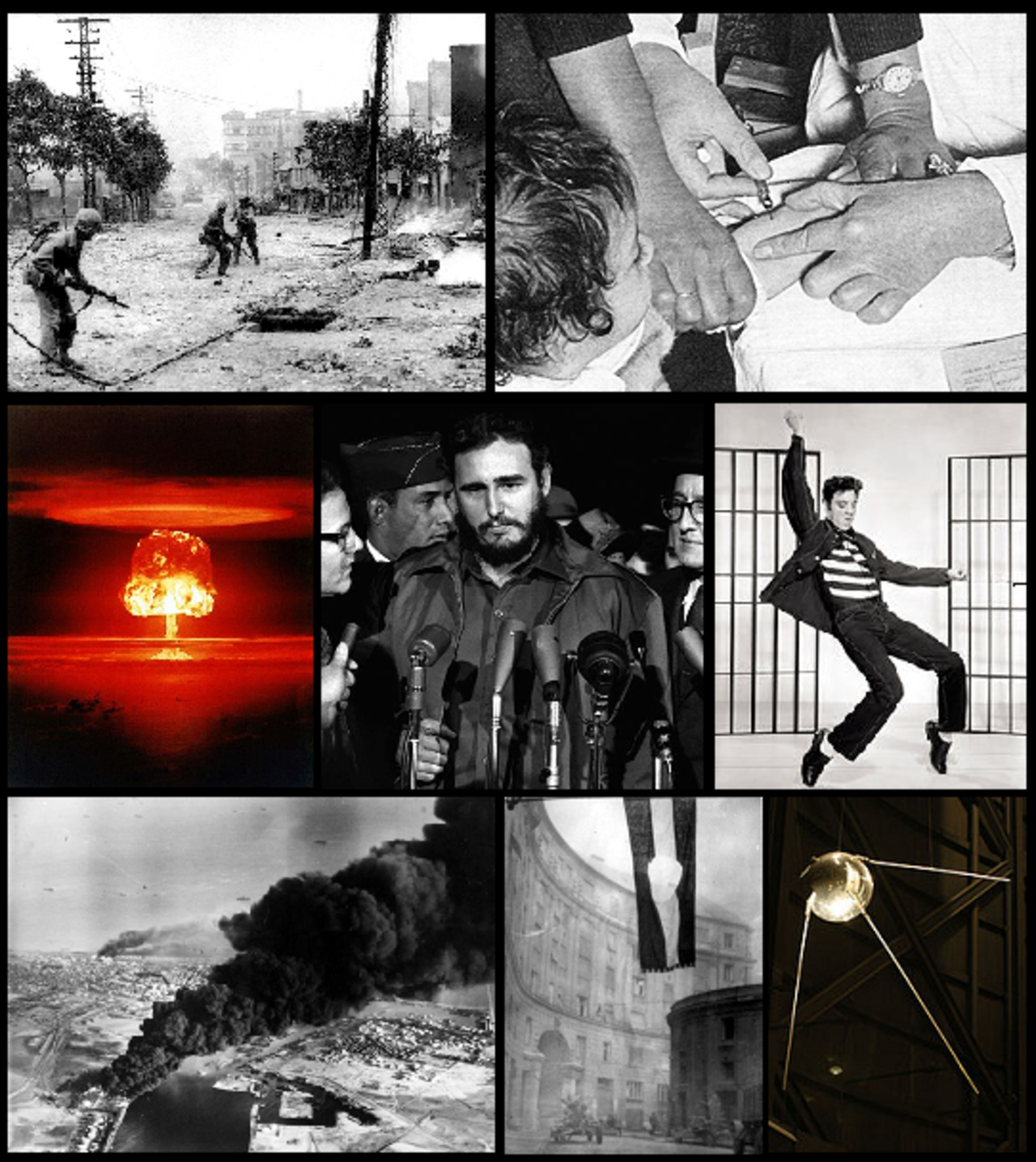
The 1950s was a transformative decade that saw the rise of suburbanization, with over 13 million new homes built in the United States between 1950 and 1959, and a significant increase in consumer spending, with the average American household income rising by 25%. The Civil Rights Movement gained momentum, with key figures like Martin Luther King Jr. and Rosa Parks leading the charge, and the Montgomery Bus Boycott in 1955 marking a major milestone. The decade also witnessed the emergence of new technologies, including the first commercial jet airliner, the de Havilland Comet, and the first satellite, Sputnik 1, launched by the Soviet Union in 1957. The 1950s was a time of great cultural change, with the rise of rock and roll music, led by artists like Elvis Presley and Chuck Berry, and the emergence of new literary movements, such as the Beat Generation, led by authors like Jack Kerouac and Allen Ginsberg. However, the decade was also marked by controversy and tension, including the Red Scare and the McCarthyism that gripped the United States, with over 10,000 people blacklisted and many more accused of being communists. As the decade drew to a close, the world was poised on the brink of a new era of space exploration, social change, and cultural upheaval, with the influence of the 1950s still being felt today, from the music of Bob Dylan to the politics of Barack Obama, and the vibe of the decade continuing to shape our understanding of the modern world, with a vibe score of 85, reflecting its significant cultural energy and enduring impact.
🌃 Introduction to the 1950s
The 1950s, which began on 1 January 1950, and ended on 31 December 1959, was a decade that marked the beginning of a new era in world history. This period was characterized by significant social, cultural, and economic changes that shaped the world as we know it today. The Cold War was in full swing, with the United States and the Soviet Union engaging in a ideological battle for global supremacy. The Korean War and the Vietnam War were two major conflicts that dominated the headlines during this period. The 1950s also saw the rise of television as a popular form of entertainment, with shows like I Love Lucy and The Honeymooners becoming household names.
📆 Historical Context of the 1950s
The historical context of the 1950s was marked by the aftermath of World War II, which had left the world in a state of devastation. The United Nations was established in 1945 to promote international cooperation and prevent future wars. The 1950s also saw the rise of the Civil Rights Movement in the United States, with leaders like Martin Luther King Jr and Rosa Parks fighting for racial equality. The European Union was also established during this period, with the aim of promoting economic cooperation and integration among European countries. The Soviet Union was a major player in global politics, with its communist ideology posing a threat to the capitalist West.
🎨 Cultural Significance of the 1950s
The 1950s was a decade that was marked by significant cultural significance, with the rise of rock and roll music, television, and Hollywood films. The Beat Generation was a literary movement that emerged during this period, with writers like Allen Ginsberg and Jack Kerouac challenging traditional values and social norms. The Feminist Movement was also gaining momentum, with women like Betty Friedan and Gloria Steinem fighting for women's rights and equality. The Civil Rights Movement was also a major cultural phenomenon, with its message of racial equality and social justice resonating with people all over the world.
📺 The Rise of Television in the 1950s
The rise of television in the 1950s was a significant cultural phenomenon, with millions of Americans gathering around their TV sets to watch their favorite shows. I Love Lucy was one of the most popular shows of the decade, with its stars Lucille Ball and Desi Arnaz becoming household names. The Honeymooners was another popular show, with its stars Jackie Gleason and Art Carney entertaining audiences with their hilarious antics. The Ed Sullivan Show was a variety show that featured some of the biggest names in entertainment, including Elvis Presley and The Beatles.
🎵 Music of the 1950s: A New Era
The music of the 1950s was a new era in the history of popular music, with the rise of rock and roll, jazz, and country music. Elvis Presley was one of the most popular musicians of the decade, with his unique blend of rockabilly and country music captivating audiences all over the world. Chuck Berry was another influential musician, with his hits like Roll Over Beethoven and Johnny B. Goode becoming classics of the genre. The Platters were a popular doo-wop group, with their hits like Only You and The Great Pretender becoming staples of the decade's music scene.
🚗 The Automotive Industry in the 1950s
The automotive industry in the 1950s was a significant sector of the economy, with the Big Three automakers - General Motors, Ford Motor Company, and Chrysler - dominating the market. The Chevrolet Bel Air was one of the most popular cars of the decade, with its sleek design and powerful engine making it a favorite among American car buyers. The Ford Thunderbird was another popular car, with its sporty design and powerful engine making it a status symbol among car enthusiasts. The Interstate Highway System was a major infrastructure project that was launched during this period, with the aim of improving the nation's transportation network.
🏠 Suburbanization and the American Dream
The 1950s saw a significant increase in suburbanization, with millions of Americans moving out of the cities and into the suburbs. The American Dream was a concept that was closely tied to suburbanization, with its promise of a better life, a bigger house, and a more prosperous future. The Levittown was a suburban development that was built in the 1950s, with its rows of identical houses and manicured lawns becoming a symbol of suburbanization. The suburbanization of America was a significant social phenomenon, with its impact on urban planning, architecture, and social norms still being felt today.
🤝 Civil Rights Movement in the 1950s
The Civil Rights Movement was a significant social phenomenon in the 1950s, with its message of racial equality and social justice resonating with people all over the world. The Montgomery Bus Boycott was a significant event in the movement, with its leader Martin Luther King Jr becoming a prominent figure in the struggle for civil rights. The Little Rock Nine was a group of African American students who integrated a white high school in Little Rock, Arkansas, with their bravery and determination inspiring a generation of civil rights activists. The March on Washington was a significant event in the movement, with its message of racial equality and social justice resonating with people all over the world.
🌎 Global Politics and the Cold War
The 1950s was a decade that was marked by significant global politics, with the Cold War dominating the headlines. The Korean War was a significant conflict that was fought between North and South Korea, with the United States and the Soviet Union providing military support to their respective allies. The Vietnam War was another significant conflict that was fought during this period, with the United States providing military support to the government of South Vietnam. The Berlin Blockade was a significant event in the Cold War, with the Soviet Union's blockade of West Berlin marking a significant milestone in the conflict.
📊 Economic Growth and Prosperity in the 1950s
The 1950s saw significant economic growth and prosperity, with the United States experiencing a period of unprecedented economic expansion. The Gross National Product (GNP) of the United States grew from $285 billion in 1950 to $503 billion in 1959, with the economy experiencing a significant increase in productivity and efficiency. The Consumer Price Index (CPI) was a significant economic indicator, with its measurement of inflation and deflation providing valuable insights into the state of the economy. The Federal Reserve was a significant institution that played a crucial role in regulating the economy, with its monetary policy decisions having a significant impact on the economy.
👥 Conclusion: The Legacy of the 1950s
The legacy of the 1950s is a complex and multifaceted one, with its impact on modern society still being felt today. The Civil Rights Movement was a significant social phenomenon that marked a significant milestone in the struggle for racial equality and social justice. The Space Race was a significant technological achievement, with the Soviet Union's launch of the Sputnik satellite marking a significant milestone in the exploration of space. The rock and roll music of the 1950s was a significant cultural phenomenon, with its influence on modern music still being felt today.
Key Facts
- Year
- 1950
- Origin
- Post-WWII United States
- Category
- History
- Type
- Decade
Frequently Asked Questions
What were the major social changes that occurred in the 1950s?
The 1950s saw significant social changes, including the rise of the Civil Rights Movement, the Feminist Movement, and the suburbanization of America. The Brown v. Board of Education Supreme Court decision marked a significant milestone in the Civil Rights Movement, with its ruling that segregation in public schools was unconstitutional. The National Defense Education Act was a federal law that was passed in 1958, with the aim of improving education in the sciences and mathematics.
What were the major cultural phenomena of the 1950s?
The 1950s saw significant cultural phenomena, including the rise of rock and roll music, television, and Hollywood films. The Beat Generation was a literary movement that emerged during this period, with writers like Allen Ginsberg and Jack Kerouac challenging traditional values and social norms. The Feminist Movement was also gaining momentum, with women like Betty Friedan and Gloria Steinem fighting for women's rights and equality.
What were the major economic changes that occurred in the 1950s?
The 1950s saw significant economic changes, including the rise of the Gross National Product (GNP) of the United States, which grew from $285 billion in 1950 to $503 billion in 1959. The Consumer Price Index (CPI) was a significant economic indicator, with its measurement of inflation and deflation providing valuable insights into the state of the economy. The Federal Reserve was a significant institution that played a crucial role in regulating the economy, with its monetary policy decisions having a significant impact on the economy.
What were the major technological achievements of the 1950s?
The 1950s saw significant technological achievements, including the launch of the Sputnik satellite by the Soviet Union, which marked a significant milestone in the Space Race. The Interstate Highway System was a major infrastructure project that was launched during this period, with the aim of improving the nation's transportation network. The computer was also becoming a significant technological innovation, with its ability to process information and perform calculations at high speeds.
What was the impact of the 1950s on modern society?
The 1950s had a significant impact on modern society, with its legacy still being felt today. The Civil Rights Movement marked a significant milestone in the struggle for racial equality and social justice, with its message of racial equality and social justice resonating with people all over the world. The Space Race was a significant technological achievement, with the Soviet Union's launch of the Sputnik satellite marking a significant milestone in the exploration of space. The rock and roll music of the 1950s was a significant cultural phenomenon, with its influence on modern music still being felt today.