
Contents
- 🤖 Introduction to Artificial Intelligence
- 💻 The History of AI: From Rule-Based Systems to Deep Learning
- 📊 AI Applications: Transforming Industries and Lives
- 🚀 The Future of AI: Opportunities and Challenges
- 🤝 Human-AI Collaboration: The Key to Unlocking Potential
- 🚫 The Dark Side of AI: Job Displacement and Bias
- 🔒 AI Safety and Security: Mitigating Risks and Threats
- 🌎 AI for Social Good: Harnessing Technology for Humanity
- 📚 AI and Education: Revolutionizing Learning and Teaching
- 🤔 The Ethics of AI: Navigating Complex Moral Issues
- 📊 AI and the Economy: Understanding the Impact on Jobs and Growth
- Frequently Asked Questions
- Related Topics
Overview
Artificial intelligence (AI) has evolved from Alan Turing's 1950 proposal for a machine that could mimic human thought to the current era of deep learning, where AI systems like AlphaGo and Watson have demonstrated unprecedented capabilities. The AI landscape is marked by tension between proponents of narrow, task-oriented AI and those advocating for more general, human-like intelligence. Companies like Google, Microsoft, and Facebook are investing heavily in AI research, with applications ranging from virtual assistants to autonomous vehicles. However, concerns about job displacement, bias in AI decision-making, and the potential for AI to surpass human intelligence have sparked intense debates. As AI continues to advance, with an estimated global market value of over $190 billion by 2025, the question remains: can we harness its power while mitigating its risks? The influence of AI pioneers like Marvin Minsky, John McCarthy, and Fei-Fei Li has shaped the field, but the future of AI will depend on addressing the challenges and controversies surrounding its development.
🤖 Introduction to Artificial Intelligence
Artificial intelligence (AI) is a field of research that has been gaining momentum over the past few decades, with significant advancements in Machine Learning and Deep Learning. AI is the capability of computational systems to perform tasks typically associated with Human Intelligence, such as Learning, Reasoning, Problem-Solving, Perception, and Decision-Making. As AI continues to evolve, it is essential to understand its potential applications and implications, including its impact on Job Displacement and Bias.
💻 The History of AI: From Rule-Based Systems to Deep Learning
The history of AI dates back to the 1950s, when the first Rule-Based Systems were developed. Since then, AI has undergone significant transformations, with the emergence of Expert Systems and Machine Learning. Today, AI is a field of research in Engineering, Mathematics, and Computer Science that develops and studies methods and software that enable machines to perceive their environment and use Learning and intelligence to take actions that maximize their chances of achieving defined goals, such as Natural Language Processing and Computer Vision.
📊 AI Applications: Transforming Industries and Lives
AI has numerous applications across various industries, including Healthcare, Finance, and Transportation. For instance, AI-powered Chatbots are being used to improve Customer Service, while Predictive Maintenance is being used to reduce downtime and increase efficiency in Manufacturing. Additionally, AI is being used to develop Personalized Medicine and Autonomous Vehicles. As AI continues to advance, we can expect to see even more innovative applications, such as Smart Homes and Smart Cities.
🚀 The Future of AI: Opportunities and Challenges
The future of AI holds tremendous promise, with potential applications in Space Exploration and Climate Change Mitigation. However, it also raises important questions about Job Displacement and Bias. As AI becomes increasingly autonomous, it is essential to develop AI Safety protocols to mitigate risks and threats. Furthermore, it is crucial to address the ethical implications of AI, including issues related to Privacy and Transparency.
🤝 Human-AI Collaboration: The Key to Unlocking Potential
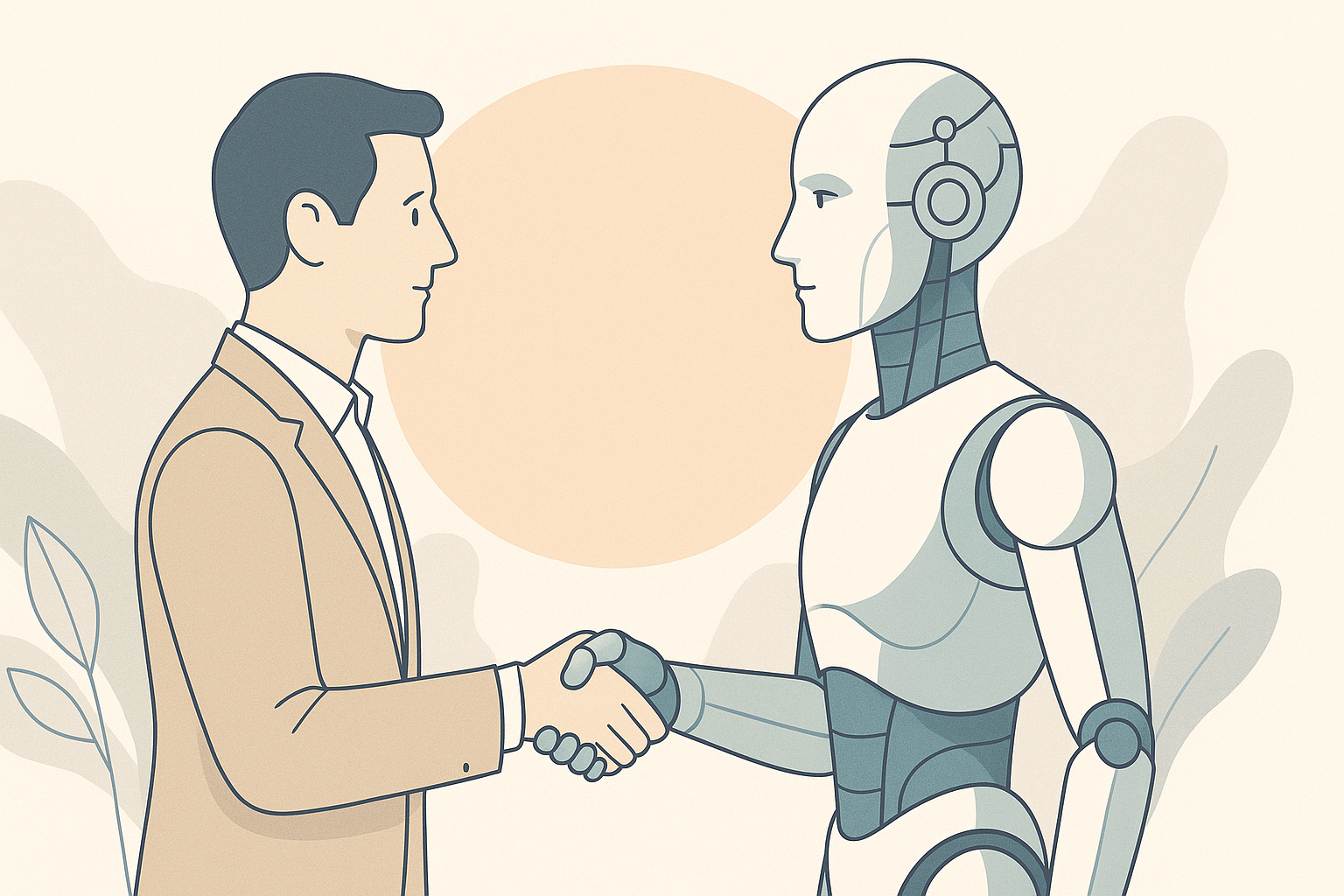
Human-AI collaboration is critical to unlocking the full potential of AI. By working together, humans and AI systems can achieve far more than either could alone, as seen in Human-Computer Interaction. For example, AI can be used to augment human capabilities, such as Cognitive Abilities, and improve decision-making. Additionally, AI can help humans to identify and mitigate Bias and Errors. As AI continues to evolve, it is essential to develop frameworks for human-AI collaboration, including Explainable AI and Transparent AI.
🚫 The Dark Side of AI: Job Displacement and Bias
One of the most significant challenges facing AI is the potential for Job Displacement. As AI becomes increasingly capable of performing tasks typically associated with human intelligence, there is a risk that many jobs will become obsolete. Furthermore, AI can also perpetuate and amplify Bias, which can have serious consequences, such as Discrimination. To mitigate these risks, it is essential to develop strategies for Upskilling and Reskilling, as well as Bias Detection and Mitigation.
🔒 AI Safety and Security: Mitigating Risks and Threats
AI safety and security are critical concerns, as AI systems can pose significant risks to humans and the environment. For example, Autonomous Vehicles can malfunction, causing accidents, while AI-Powered Cyber Attacks can compromise sensitive information. To mitigate these risks, it is essential to develop AI Safety Protocols and Regulatory Frameworks. Additionally, it is crucial to invest in AI Research and Development, including Explainable AI and Transparent AI.
📚 AI and Education: Revolutionizing Learning and Teaching
AI is revolutionizing the field of Education, with potential applications in Personalized Learning and Intelligent Tutoring Systems. For example, AI-powered Chatbots can provide Students with personalized support and guidance, while AI-Powered Adaptive Assessments can help to identify Learning Gaps. Additionally, AI can help to improve Teacher Productivity and Student Engagement. As AI continues to evolve, it is essential to develop frameworks for AI in Education and prioritize Equity and Access.
📊 AI and the Economy: Understanding the Impact on Jobs and Growth
The impact of AI on the economy is significant, with potential applications in Job Creation and Economic Growth. For example, AI can help to improve Productivity and Efficiency, while AI-Powered Startups can drive innovation and entrepreneurship. However, AI also poses significant risks, including Job Displacement and Income Inequality. To mitigate these risks, it is essential to develop strategies for Upskilling and Reskilling, as well as Bias Detection and Mitigation.
Key Facts
- Year
- 1950
- Origin
- Dartmouth Summer Research Project on Artificial Intelligence
- Category
- Technology
- Type
- Concept
Frequently Asked Questions
What is artificial intelligence?
Artificial intelligence (AI) is the capability of computational systems to perform tasks typically associated with human intelligence, such as learning, reasoning, problem-solving, perception, and decision-making. AI is a field of research in engineering, mathematics, and computer science that develops and studies methods and software that enable machines to perceive their environment and use learning and intelligence to take actions that maximize their chances of achieving defined goals.
What are the applications of AI?
AI has numerous applications across various industries, including healthcare, finance, and transportation. For instance, AI-powered chatbots are being used to improve customer service, while predictive maintenance is being used to reduce downtime and increase efficiency in manufacturing. Additionally, AI is being used to develop personalized medicine and autonomous vehicles.
What are the risks associated with AI?
One of the most significant challenges facing AI is the potential for job displacement. As AI becomes increasingly capable of performing tasks typically associated with human intelligence, there is a risk that many jobs will become obsolete. Furthermore, AI can also perpetuate and amplify bias, which can have serious consequences, such as discrimination.
How can we mitigate the risks associated with AI?
To mitigate the risks associated with AI, it is essential to develop strategies for upskilling and reskilling, as well as bias detection and mitigation. Additionally, it is crucial to invest in AI research and development, including explainable AI and transparent AI. Furthermore, it is essential to develop frameworks for responsible AI and prioritize equity and access.
What is the future of AI?
The future of AI holds tremendous promise, with potential applications in space exploration and climate change mitigation. However, it also raises important questions about job displacement and bias. As AI becomes increasingly autonomous, it is essential to develop AI safety protocols to mitigate risks and threats. Furthermore, it is crucial to address the ethical implications of AI, including issues related to privacy and transparency.
How can we ensure that AI is developed and used responsibly?
To ensure that AI is developed and used responsibly, it is essential to prioritize transparency, accountability, and fairness. This can be achieved by developing and implementing AI ethics frameworks, as well as investing in AI research and development. Additionally, it is crucial to engage in public debate and discussion about the implications of AI and to develop policies and regulations that promote responsible AI development and use.
What is the role of human-AI collaboration in unlocking the potential of AI?
Human-AI collaboration is critical to unlocking the full potential of AI. By working together, humans and AI systems can achieve far more than either could alone. For example, AI can be used to augment human capabilities, such as cognitive abilities, and improve decision-making. Additionally, AI can help humans to identify and mitigate bias and errors.